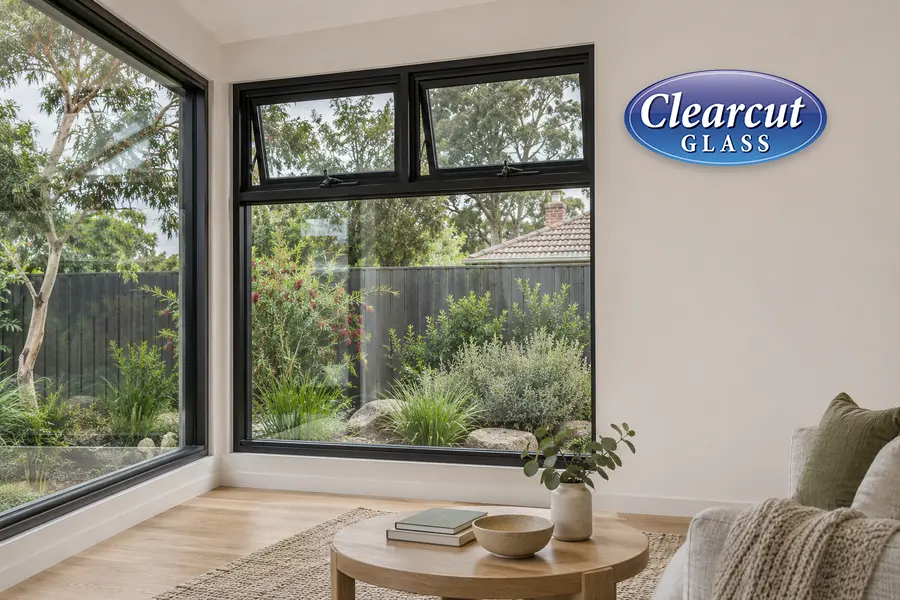
Constant traffic, barking dogs, construction work and neighbourhood sounds can make it difficult to enjoy a peaceful home. Even when your windows are closed, outside noise can enter through the glass, frames and small gaps around the window.
Double glazed windows noise reduction offers a practical way to make indoor spaces quieter while improving thermal comfort. Read on to learn more about how double-glazing works, the factors that affect its acoustic performance and the options available for upgrading existing windows.
How Double-Glazed Windows Reduce Outside Noise
Double glazed windows consist of two panes of glass separated by a sealed gap. This gap usually contains air or an insulating gas and helps reduce the transfer of heat and sound through the window.
However, the level of noise reduction depends on the complete window system. Glass thickness, the width of the gap, frame design and the quality of the seals all influence acoustic performance.
For homeowners living near busy roads, railway lines, schools or commercial areas, well-designed double glazing can make indoor spaces more comfortable and peaceful.
Common Types of Noise Double Glazing Can Help Reduce
The effectiveness of double glazing depends on the type and frequency of the noise entering your home.
Here are some common examples of outside sounds that suitable acoustic glazing may help minimise.
1. Traffic and Road Noise
Vehicles, buses, trucks and motorcycles can create continuous background noise, particularly for homes near busy roads. Appropriate double glazing can reduce the amount of traffic noise entering through windows.
2. Neighbourhood Noise
Conversations, barking dogs, garden equipment and other everyday neighbourhood sounds can interrupt quiet time. Better-sealed double glazed windows can help reduce these disturbances.
3. Construction and Commercial Noise
Building work, machinery and nearby commercial activities can create unwanted noise during the day. Acoustic glazing may help make indoor environments more comfortable.
4. Railway and Aircraft Noise
Trains and aircraft can produce a combination of low- and high-frequency sounds. These noises may require specially selected acoustic glazing rather than standard double glazing alone.
It is important to assess the main noise source before choosing a window solution, as different frequencies require different acoustic treatments.
Factors That Affect Double Glazed Windows Soundproof Performance
Not all double-glazed windows provide the same level of sound insulation. Their performance depends on several design and installation factors.
1. Glass Thickness
Thicker glass generally provides better sound insulation than thinner glass. Using panes of different thicknesses can also improve acoustic performance by reducing the transmission of certain sound frequencies.
2. Air Gap Between Glass Panes
The space between the two panes helps limit sound transmission. A wider gap can improve noise reduction in some designs, particularly when the window is selected specifically for acoustic performance.
3. Laminated Acoustic Glass
Laminated glass contains an interlayer between glass sheets. Special acoustic interlayers can help reduce sound transmission, making this an option worth considering for homes exposed to persistent outside noise.
4. Window Frames and Seals
Even high-performance glass may not deliver the expected results if sound can pass through gaps around the frame. Proper installation and well-maintained seals are essential for limiting unwanted noise.
5. Overall Window Design
The complete window assembly matters, not just the glass. Frame construction, opening style, glazing configuration and installation quality all contribute to the final acoustic result.
Soundproof Windows for Different Areas of Your Home
Some rooms need more noise protection than others. Choosing suitable glazing for the most affected areas can improve comfort without necessarily upgrading every window at once.
Consider these areas when planning your window improvements.
1. Bedrooms
Bedrooms benefit from reduced outside noise, particularly when traffic, neighbours or other disturbances affect sleep. Acoustic double glazing can help create a quieter sleeping environment.
2. Living Rooms
Living areas are often close to street-facing windows, gardens and outdoor spaces. Better glazing can reduce unwanted background noise while making conversations and relaxation more comfortable.
3. Home Offices
External noise can make it difficult to concentrate during meetings or work. Suitable double-glazed windows may help reduce distractions and create a more comfortable workspace.
4. Street-Facing Windows
Windows facing busy roads or commercial areas may experience greater noise exposure than those overlooking quieter parts of the property. These windows may benefit from a higher acoustic specification.
Choosing the Right Double-Glazed Windows for Noise Reduction
Selecting the right glazing is important for achieving the acoustic performance you expect. A standard thermal double-glazed unit may not provide the same noise reduction as a specially designed acoustic system.
Before choosing a solution, consider the following points:
- Identify the main noise source: Determine if the disturbance comes from road traffic, neighbours, aircraft or nearby commercial activity.
- Check the glass configuration: Ask about glass thickness, different pane combinations and acoustic laminated options.
- Consider the gap width: The space between panes can influence sound insulation.
- Review window seals: Make sure the complete window system is properly sealed.
- Assess the existing frames: Check if your current frames can support a double-glazing retrofit.
- Ask about acoustic ratings: Look for tested performance information, such as the Rw + Ctr rating, where available.
A higher acoustic rating generally indicates better sound insulation. The Ctr adjustment is particularly relevant when assessing lower-frequency noise, such as road traffic.
For persistent or complex noise problems, an acoustic assessment can help identify the most suitable glazing specifications.
How Clearcut Glass Helps Create Quieter Homes
Choosing the right glazing solution starts with understanding your property, existing windows and noise concerns. Clearcut Glass provides double glazing solutions for residential and commercial properties across Melbourne and surrounding areas.
Its services include double-glazed window installation, replacement, repair and specialised soundproof glass windows. The team can also assess existing frames to determine whether a secondary glazing unit or upgraded sealed glass unit may be suitable.
The company also provides laminated glass and other glazing solutions, helping customers explore suitable options for noise control, thermal comfort and safety.
Why Choose Clearcut Glass?
Clearcut Glass provides residential and commercial glazing services across Melbourne, with solutions for new installations and existing windows.
- More than 20 years of glazing experience.
- Residential and commercial double-glazing solutions.
- Double glazing installation, replacement and repair.
- Specialised acoustic glazing options.
- Qualified and insured glaziers.
- Local service and personalised advice.
Final Thoughts
Double-glazed windows can make a meaningful difference to indoor comfort by reducing the amount of outside noise entering your home. However, the results depend on the glass configuration, air gap, window frames, seals and the type of noise you want to control. Choosing the right system is more effective than simply selecting any double-glazed unit.
If outside noise is affecting your home, consider having your existing windows assessed before deciding on a replacement or retrofit.
FAQs About Double-Glazed Windows Noise Reduction
1. Will double glazing reduce noise?
Yes. Double glazing can reduce outside noise because it uses two glass panes separated by an insulating gap. Its effectiveness depends on glass thickness, gap width, acoustic design, frame quality and installation.
2. How much does double glazing reduce noise?
There is no single noise reduction figure for all double-glazed windows. Performance varies depending on the glass thickness, air gap, laminated glass options, seals and noise frequency. Ask for tested acoustic ratings, such as Rw + Ctr, to compare suitable window systems.
3. How to soundproof windows without replacing them?
You can improve existing windows by installing secondary glazing, upgrading suitable glass units, replacing worn seals and closing gaps around the frames. Heavy curtains may help reduce some indoor sound reflections, but they will not provide the same sound insulation as a properly designed glazing system.
4. Is acoustic double glazing better than standard double glazing?
Acoustic double glazing is designed specifically to improve sound insulation. It may use different glass thicknesses, laminated glass and a suitable gap between panes. Standard double glazing can still reduce noise.
5. Can double glazing block traffic noise completely?
No. Double glazing can reduce traffic noise, but it cannot guarantee complete silence. Low-frequency sounds may still enter through other parts of the building, including walls, roofs, doors and ventilation openings.